What Lock Rekeying Actually Does (and When It Beats a Full Replacement)
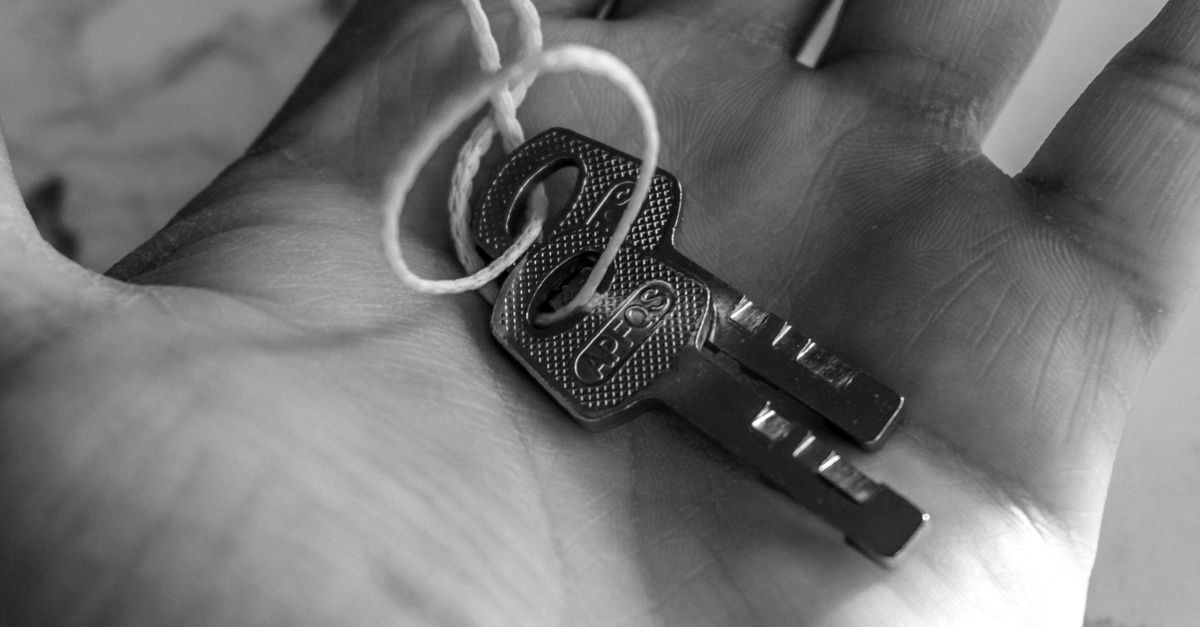
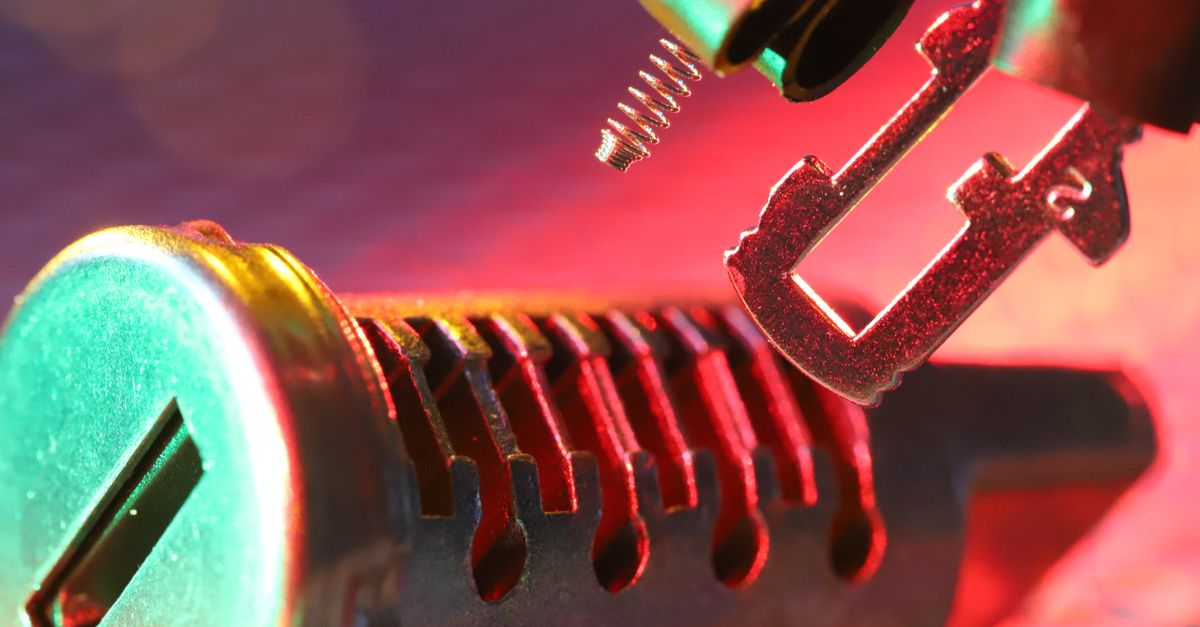
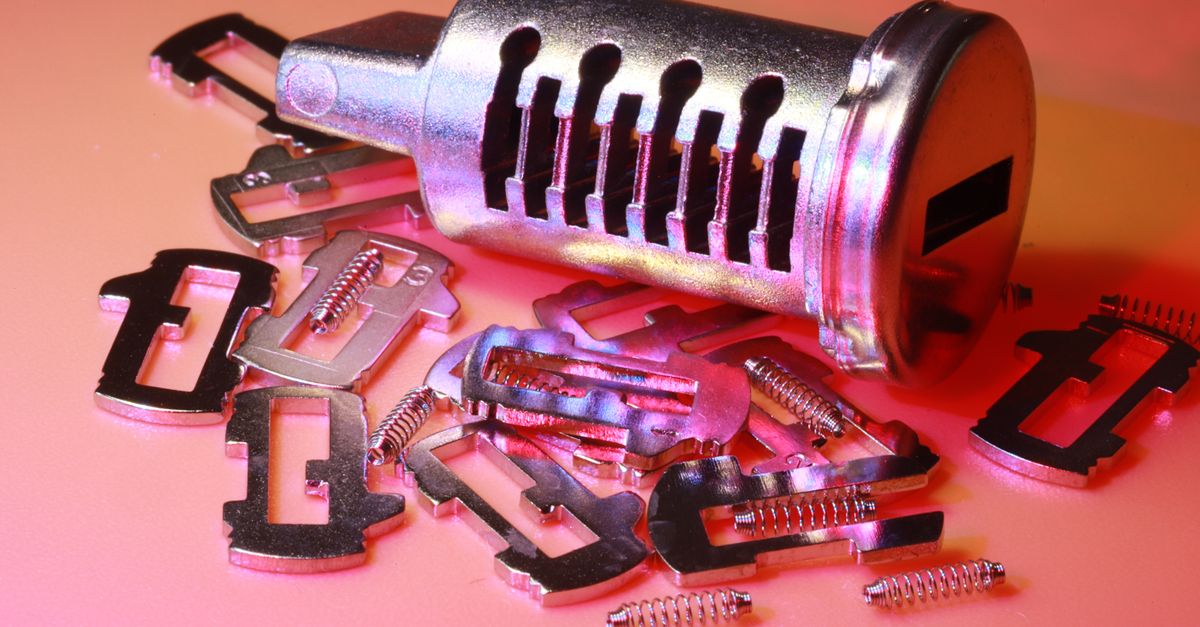
Rekeying a lock means a locksmith disassembles the cylinder and swaps out the internal pin tumblers — the tiny spring-loaded pins that determine which key profile will turn the lock. When the job is done, every old key becomes useless and a fresh key cut to a new profile is the only one that works. The lock body, the strike plate, and the door hardware you already have all stay exactly where they are. For most residential situations — a move-in, a lost key, a roommate change, or a relationship that ended on bad terms — lock rekeying is the right call. It's faster than a full replacement, produces no unnecessary hardware waste, and accomplishes exactly what you need: certainty about who holds a working key.
A full lock change makes more sense in a different set of circumstances: the existing hardware is worn, damaged, or low-grade; you want to upgrade to a higher-security cylinder (such as moving to a Schlage B-series or a Kwikset SmartKey deadbolt); or you're consolidating multiple locks onto one key and the existing hardware can't be matched. Our technicians will assess your current setup honestly and tell you which approach actually solves your problem — not the one that happens to involve more parts.